Blog

What is the Difference Between a Piece of Graphite and a Diamond?

“So, listen to yourself and those with whom you are speaking. Your wisdom then consists not of the knowledge you already have, but the continual search for knowledge, which is the highest form of wisdom.” Jordan B. Peterson Author 12 Rules for Life: An Antidote to Chaos.

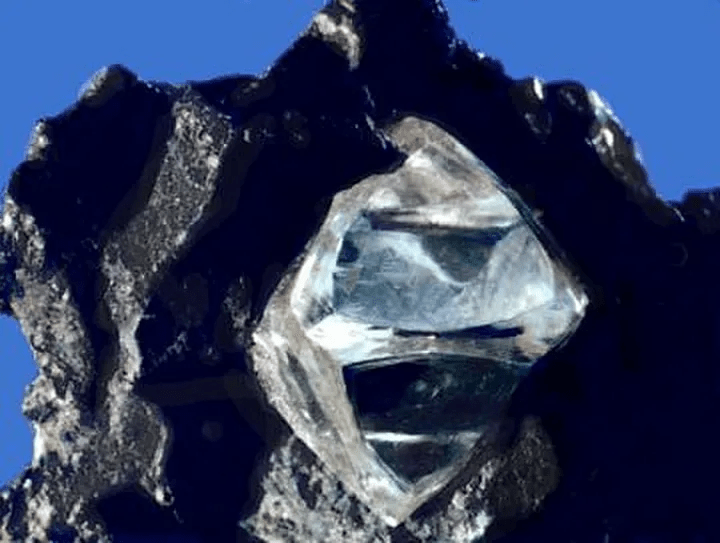
A Diamond is composed of the single element carbon, and the arrangement of the C atoms in the lattice gives a diamond its unique properties. Compare the structure of diamond and graphite, both composed of just carbon. Diamonds were formed 1 to 3.3 billion years ago at depths of more than 75 miles (120 km). [1]

We are like graphite. We require lots of wisdom, time, and hard work to become Diamonds.

File: Rough diamond.jpg From Wikimedia Commons, the free media repository

[1] https://www.britannica.com/

Brain Training

Brain Health

Neuroplasticity

The eyes are useless when the mind is blind. [1]

When I was seven, I said: “My Dad is a Champion.” When I was 17, I told my father you are an idiot.” When I turned 45, I said: Coming to think about my father, he is correct in many things he is saying. Now that I am 89, I said: Dad, how I missed you. You were a genius.

[1] Popular saying

File: The Blind-Folding of Truth by Byam Shaw.jpg From Wikimedia Commons, the free media repository

Brain Health

Neuroplasticity

Discernment

When in the realm of Rules, consider that All rules have exceptions. Your job is to be part of the exception.

Rules control all social activities. If you do not follow the rules, then there are consequences. There is no place to hide.

My first year in college was a time of discovery, fun, and disaster. Back in the sixties, the campus at a Public Ivy university was an exciting place to be — plenty of social activities. Beautiful girls, parties with new friends, concerts, and learning. Notice that place learning at the end. When you do that, you pay the price.

I had arrived from Cuba in 1962, two years before my enrollment at the University of Illinois. I had a scholarship and a part-time job at the Main Library. Everything was new and exhilarating. It was too much, only that I thought I could handle it. No, I could not.

Dear reader, have you ever been in a similar situation? You had everything but needed to learn how to manage it and failed. Then again, if you fail, then what?

That is precisely what happened to me. I lost my scholarship; I flunked out of the university. What to do? Give up?

No, I was not going to do that.

I went to see one of my professors, Mary A. Hussey. She was a great lady and loved Siamese cats. She told me: “When in the realm of Rules, consider that All rules have exceptions. Your job is to be part of the exception.” “You were at the top of the hill; now you must climb again, It will not be easy. “

I made myself part of the exception. They place me on Academic Probation. Four years later, I graduated.

Remember, dear reader; your job is to be part of the exception.

File: Two Siam Seal Point.jpg From Wikimedia Commons, the free media repository

Neuroplasticity

Brain Health

Survival

About Twitter Affair. What is a Woman?

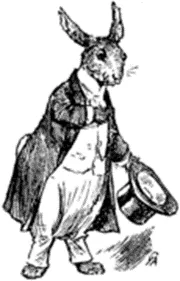
“Whatever you do,” cried Brer Rabbit, “Don’t throw me into the briar patch”.

“Skin me, Brer Fox, snatch out my eyeballs, tear out my ears by the roots, and cut off my legs,” said Brer Rabbit. “Only please, Brer Fox, please don’t throw me into the briar patch.”

“It’s not going to be much fun skinning you,” said Brer Fox, “you’re not scared of that. But you are scared of the briar patch.”

And with that, Brer Fox yanked Brer Rabbit off the Tar-Baby, and he flung him -KERPLUNK!- right into the briar patch.

Well, there was a flutter where Brer Rabbit landed, then “Ooo! Oow! Ouch!” he screeched and he squalled. Then after a while, there was only a weak whisper from Brer Rabbit. Brer Fox listened.

“I got him! Brer Rabbit is dead!” said Brer Fox.

But then he heard a scuffling away at the other end of the briar patch. And low and behold, who does Brer Fox see scrambling out but Brer Rabbit himself, playing a briar bush whistle.

“Born and bred in the briar patch, that’s me,” laughed Brer Rabbit. “I told you not to throw me there. In all the world, that’s the place I love best!”

With a lippity clip, he hopped away. (1)

Who is Brer Rabbit, and who is Brer Fox?

(1) Uncle Remus and Legends of the Old Plantation by Joel Chandler. Brer Fox, Brer Rabbit and the briar patch rewritten by Xavier into modern English

File: Brer Rabbit from London Charivari.png From Wikimedia Commons, the free media repository

Neuroscience

Neuroplasticity

Brain Health

Common Sense

What is Neuroplasticity?

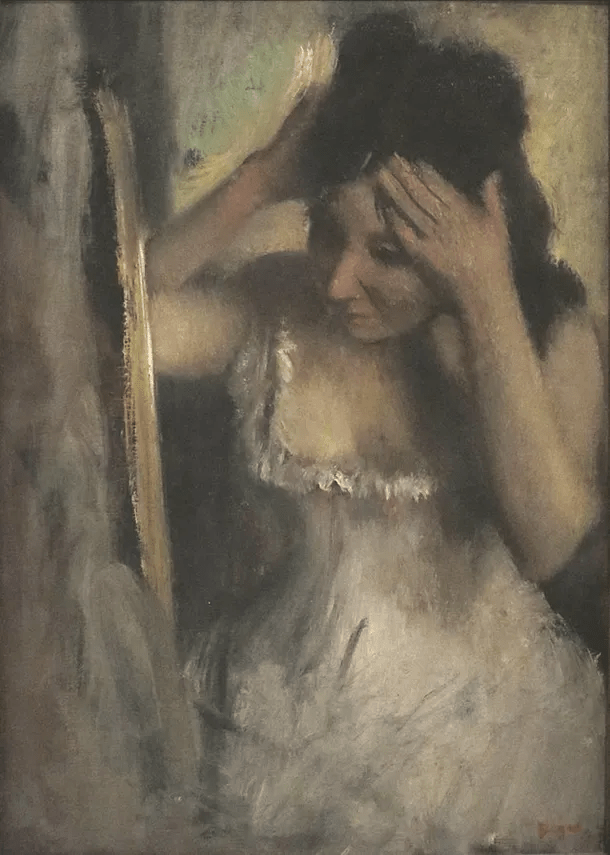
When we get up in the morning, we look at the reflection of our faces in the mirror and comb our hair. Nevertheless, we don’t see our brains. Do you know how it works or its importance in life and development? One of the Masters in the field, Michael Merzenich, tells us about it all.

File:’Woman Combing her Hair before a Mirror’ by Edgar Degas.JPG From Wikimedia Commons, the free media repository

Long Neuro-Covid: Challenges Ahead with Elkhonon Goldberg, PhD

Elkhonon Goldberg, PhD is Clinical Professor in Department of Neurology, Grossman School of Medicine at New York University, and Member of the American Board of Professional Psychology in Clinical Neuropsychology.

COVID-19 may result in a wide range of neurological complications, including ischemic stroke in young people, disseminated micro hemorrhagic lesions, brain inflammation, hypoxia, various non-specific encephalopathies, focal lesions (likely to impact frontal and mesiotemporal regions) and Guillain-Barre syndrome. These are often associated with significant and lasting cognitive impairment and psychiatric symptoms. Concern has been expressed that neuro-COVID may put patients at increased risk for developing various neurodegenerative disorders later in life. It is important to recognize that these issues are real, may last for months and even years, and that they are in the patients’ brains and not just “in their heads.” Programs must be developed for long-term follow-up of these patients, with cognitive rehabilitation, psychotherapy and counseling.

If you enjoyed attending this talk or watching the recording, you will be interested in joining The BrainHealth Project, a landmark study led by the Center for BrainHealth with an innovative approach to brain training that teaches you to focus on your own strengths and performance, empowering you to continue becoming the best version of yourself. It’s online, self-paced, interactive, grounded in demonstrated science, and there is no cost to participate.

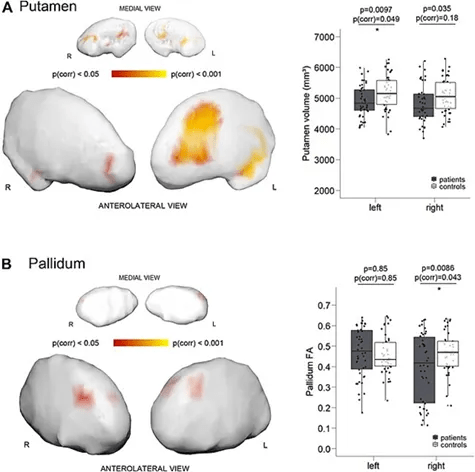
Structural changes in the putamen and pallidum in patients with long COVID fatigue.jpg

The Surprising Mental Toll of COVID

Published in BrainHQ Brain Fitness News: November 2020. This article was initially published under “The Mental Toll of COVID-19” in Scientific American 323, 6, 25 (December 2020) doi: 10.1038/scientificamerican1220

The rise in depression and anxiety is even worse than expected, especially among young adults.By Claudia Wallis | December 2020 issue of Scientific American

It didn’t take a crystal ball to predict that the COVID-19 pandemic would devastate mental health. Illness or fear of disease, social isolation, economic insecurity, disruption of routine, and loss of loved ones are known risk factors for depression and anxiety. Now studies have confirmed the predictions. But psychologists say the findings also include surprises about the vast extent of mental anguish, how media consumption exacerbates it, and how much it has affected young people.

For example, a report from the U.S. Centers for Disease Control and Prevention, released in August, found that anxiety symptoms tripled and depression quadrupled among 5,470 adults surveyed compared to a 2019 sample. Similarly, two nationally representative surveys conducted in April, one by researchers at Boston University School of Public Health and another by Johns Hopkins University, found that the prevalence of depressive symptoms (BU) and “severe psychological distress” (Hopkins) was triple the level measured in 2018. “These rates were higher than what we have seen after other large-scale traumas such as September 11, Hurricane Katrina, and the Hong Kong riots,” says Catherine Ettman, lead author of the BU study.

Some of the most affected groups in these studies were people with pre-existing mental health issues, low-income people, people of color, and people close to someone who suffered or died from COVID-19. However, in Ettman’s study, the group in the United States with the most significant increase in depression, which increased fivefold, was Asian. In an accompanying commentary, psychiatrist Ruth Shim suggested that the growth could reflect the impact of racism and insults related to the origin of the pandemic in China.

One unexpected finding in all three surveys was the enormous toll on young adults. In the CDC survey, 62.9 percent of 18- to 24-year-olds reported having an anxiety or depressive disorder, a quarter said they used more drugs and alcohol to cope with pandemic-related stress, and a quarter said they had “seriously considered suicide” in the previous 30 days. In an unusual real-time study, young adults were also the most affected age group that tracked the rapid rise in “acute distress” and depression by three points between mid-March and mid-April. “We expected the opposite because it was already clear that older people were at higher risk” of the virus, says lead author Roxane Cohen Silver, a psychologist at the University of California, Irvine.

Silver suspects that young people “may have had more disruptions to life events: graduations, weddings, senior year of college and high school. All those transitions and school and social connections were disrupted, which we know are very important for young people.”

Their study, which involved 6,500 people, points to a significant factor contributing to anxiety for people of all ages: increased engagement with media coverage of the outbreak. But that angst seems to take them more to the media. Especially problematic is exposure to contradictory information. Silver, who has studied the psychological consequences of events such as Sept. 11 and the 2013 Boston Marathon bombing, says fixation on media coverage is a known risk factor: “If people engage with many media, they’re more likely to expose and report distress. It’s a cyclical pattern that it’s hard to get out of yourself.”

Silver and others who research mass trauma have suggestions for maintaining mental balance in difficult times. One is limiting media consumption (TV, internet) and avoiding sensational reporting. Maintaining social contacts — via Zoom, phone, or other COVID-safe methods — is also vital, says psychologist James Pennebaker of the University of Texas at Austin. “Unlike any other disaster I’ve studied, people are actively less close to friends and community,” says Pennebaker, who is examining the pandemic’s impact on mental health by analyzing posts on the social media platform Reddit.

Fewer hugs and less shared grief may help explain why people don’t seem to adjust to the new normal, Pennebaker says. “This is not Sept. 11 or an earthquake, where something big happens, and we’re all back to normal pretty quickly.” Her other tips are maintaining healthy sleep habits, exercise, food, and drink habits. Keep a journal. Research shows that expressive writing helps people process difficult emotions and find meaning; she says, “If you worry too much about COVID, try writing about it.”
‘You can lead a horse to water, but you can’t make him drink.”

John Heywood’s proverb collection of 1546

My last two articles concerned the consequences of Covid 19 for our society and possible solutions.

I am copying a link for your consideration recently published by the U.S. Department of Health, and Human Services entitled “The recently issued Advisory from Surgeon General Dr. Vivek Murthy highlights the alarming effects of loneliness and isolation on the population of the United States. It has been identified as a significant public health crisis that requires immediate action. Dr. Murthy has proposed a national strategy to effectively promote social connection and address this issue. Dr. Murthy proposes six points plan to remediate “Our Epidemic of Loneliness and Isolation.”

All six points could be of great help. But I have some considerations about point 3:

Mobilize the Health Sector: Because loneliness and isolation are risk factors for several primary health conditions (including heart disease, dementia, and depression) and premature death, healthcare providers are well-positioned to assess patients for risk of loneliness and intervene.

Dr. Murthy classifies this situation as an Epidemic of Loneliness and Isolation. He is entirely correct. But what will help this crisis is understanding the brain functions connected with this situation and remedying the malfunction caused by isolation and fear. And frankly, I do not see any mention of that critical factor.

You can take me to the park, but if I do not “see” it as a place to relax and enjoy, that will not help me.

https://www.hhs.gov/about/news/2023/05/03/new-surgeon-general-advisory-raises-alarm-about-devastating-impact-epidemic-loneliness-isolation-united-states.html

A Thank You Note to an Unknown Young Man.

On Tuesday, August 21, 1962, my friend Enrique Rodriguez drove me to the International Airport Jose Marti in Havana, Cuba. It was ten o’clock in the morning. I intended to leave the country for good. I was 28 years old. It was the beginning of a new life. Or was it going to be the end of my life? I was trying to leave Cuba. I was trying to escape. I knew the way the country was going. I had two choices join and become a communist automaton, fight back and possibly die or go to prison for thirty years. I fought back and lost. I had to escape or die. I had a passport and an expired student visa to the USA. Through my contacts in the underground, I obtained a fraudulent student visa. I could not go any other way. Cuba is an island. You either try to cross the Gulf of Mexico in a small boat, challenge the elements, or take your chances trying to fool the G2 Secret Service guys (trained by the German Stasi). Fat change, right?

I waved goodbye to Enrique, entered, and walked the long airport hall until I reached Gate 7. It was a room with glass walls with two doors: two tables and folding chairs. I was the first one to enter. I was not allowed to carry any personal belongings, no money. The only thing I was taking with me was a copy of René Descartes’s Discourse on Method.

One of the agents waved me in. I stood in front of him. He was sitting down. At that time, he was a young man like me: fair complexion, about 5 feet 10 inches, green eyes, light brown hair — long fingers with manicured nails. A crisp white linen shirt was concealing an automatic 45 caliber pistol. He looked at me with absolute indifference. He asked me to let him see my book and my passport. I did. He browsed through it and gave it back to me. And then he opens my passport. He looked at my picture, back at me, and at the stamped visa. Then without looking at me, he said, lowering his voice: “This is a fraudulent visa. How much do you pay for it?”

“You know this is a fraudulent visa, I know it, and you know it too. If you have ever experienced mortal fear, you know what I am talking about. I said this is a free student visa I obtained from the USA embassy two years ago. It was free. Then he said in a lower tone of voice and without looking at me: Listen, you know, so do I. He stamps the passport with the approval seal. And said: “Get the hell out of here.”

Unknown Young Man, this is for you. I do not know whether you are dead or alive. But I want you to know that there is not a single day of my life that I don’t pray for you. Thank you.

I am an American citizen. I have always been treated with kindness and given a fair chance to obtain via working very hard what I have today. I went to and graduated from the University of Illinois and HarvardX. Married, got two sons. I have two grandchildren. They are graduating from Highschool. My sons earned college degrees and are working hard in their respective careers. I am a Neuroplasticity practitioner. Brain Trainer Coach. Cochlear Implant Cognitive Rehabilitation

Thank Unknown Young Man. God bless you and your family!

Dear reader, look at the neuroscience connected with all of this.

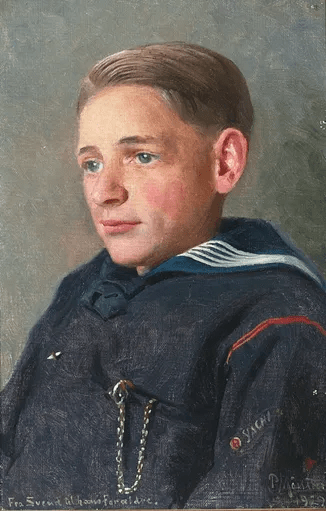
File: Peder Mønsted — Portræt af ung mand I matrostøj — 1929.png From Wikimedia Commons, the free media repository